A personal alarm sits unopened on the kitchen bench.
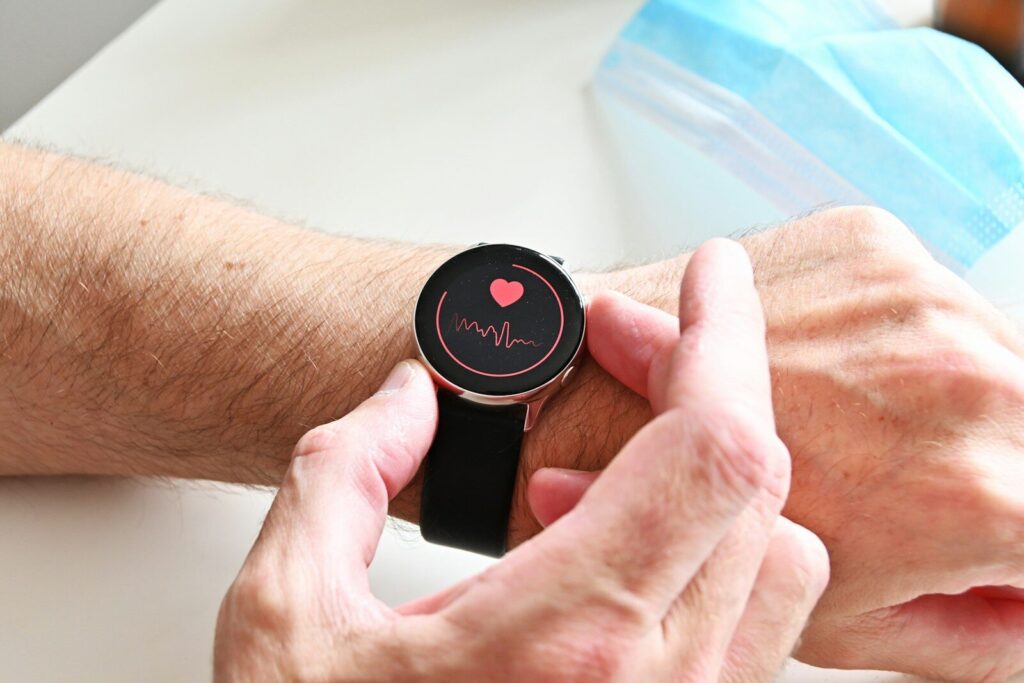
An emergency watch stays in its box.
A pendant is tucked away in a drawer after only a few days of use.
For many Occupational Therapists, these situations are familiar. Despite careful assessments and well-considered recommendations, some clients choose not to use the very devices designed to help them stay safe and independent.
It’s easy to assume that the problem is the technology itself.
More often, the reasons are far more personal.
Understanding why older adults reject safety devices can help Occupational Therapists, support coordinators, and families introduce them in ways that encourage long-term acceptance rather than short-term compliance.
1. “I Don’t Need It Yet.”
Perhaps the most common response is also one of the simplest.
Many older adults genuinely believe they are managing well and don’t see an immediate need for additional support.
They may still drive, cook, shop independently, or participate in community activities. Because they remain active, a safety device can feel unnecessary.
Rather than challenging this perception, Occupational Therapists can acknowledge their independence while explaining that personal alarms are designed to support the lifestyle they already enjoy—not replace it.
Planning ahead is often easier than making decisions after an emergency has occurred.
2. Fear of Losing Independence
Many people associate safety devices with becoming dependent on others.
Accepting a personal alarm may feel like admitting that they can no longer manage on their own.
In reality, the opposite is often true.
Safety devices are intended to help people continue living independently by ensuring help can be accessed quickly if needed.
Reframing the conversation around maintaining independence rather than managing decline can significantly change how clients view the recommendation.
3. “People Will Think I’m Frail.”
Some clients worry about how others will perceive them.
Wearing a pendant or emergency watch may make them feel self-conscious or concerned that family, friends, or neighbours will see them differently.
These concerns shouldn’t be dismissed.
Instead, Occupational Therapists can explore discreet options and discuss how many assistive technologies are now designed to look and feel like everyday accessories.
More importantly, conversations can focus on confidence and peace of mind rather than appearance.
4. Technology Feels Intimidating
Not everyone feels comfortable learning new technology.
Clients may worry that they won’t remember how to use a device or fear accidentally activating it.
This is particularly common among people who have had limited experience with smartphones or digital devices.
Simple demonstrations, hands-on practice, and choosing intuitive products can help build confidence and reduce anxiety.
Often, the easiest technology to use is the technology most likely to become part of everyday life.
5. They Haven’t Experienced an Emergency
People naturally assess risk through personal experience.
If a client has never experienced a fall or medical emergency, they may underestimate the likelihood of needing assistance.
This doesn’t mean they are being careless.
It simply means the perceived benefit may not yet outweigh the effort of adopting something new.
Occupational Therapists can gently explain that personal alarms are like smoke alarms or seatbelts—they are there for the moments no one expects.
6. Family Pressure Creates Resistance
Families often recommend safety devices with the best of intentions.
However, when conversations focus solely on fear, clients may feel they are being pushed into accepting something they don’t want.
Comments such as:
“You have to wear this.”
or
“We can’t stop worrying about you.”
can unintentionally create defensiveness.
Occupational Therapists can help families reframe these conversations by focusing on shared goals, such as helping the client remain at home safely and continue enjoying everyday activities.
7. The Device Doesn’t Fit Everyday Life
Even when clients agree with the recommendation, they may stop using a safety device if it doesn’t fit comfortably into their daily routine.
Common reasons include:
- It’s uncomfortable to wear.
- They forget to put it on.
- They find it confusing to operate.
- It feels bulky or intrusive.
- It interferes with activities they enjoy.
Successful recommendations consider not only clinical needs but also lifestyle, habits, and personal preferences.
The simpler and more natural a device feels, the more likely it is to be used consistently.
Helping Clients Move from Resistance to Acceptance
Occupational Therapists are uniquely positioned to guide clients through these concerns.
Rather than focusing exclusively on safety, effective conversations often explore what the client values most.
Questions such as:
- What activities are most important for you to continue doing?
- What concerns do you have about using a safety device?
- What would make you feel comfortable using one every day?
- How could a device support the lifestyle you want to maintain?
These discussions help clients see safety devices as tools that enable independence rather than symbols of decline.
Practical Resources for Occupational Therapists
Introducing assistive technology involves more than selecting the right device. It requires thoughtful conversations, client-centred planning, and an understanding of available options.
The CareAlert Health Care Hub offers educational resources, clinical information, and practical guidance to support Occupational Therapists, aged care professionals, and disability practitioners in helping clients make informed decisions about personal alarms and other assistive technologies.
Final Thoughts
When older adults reject safety devices, it is rarely because they don’t value their safety.
More often, they are protecting something equally important—their identity, confidence, and sense of independence.
By recognising these concerns and addressing them with empathy, Occupational Therapists can help clients move beyond initial hesitation and towards meaningful, long-term adoption.
The goal is not simply to encourage someone to wear a device.
It is to help them continue living safely, confidently, and independently, with support that fits naturally into the life they want to keep living.