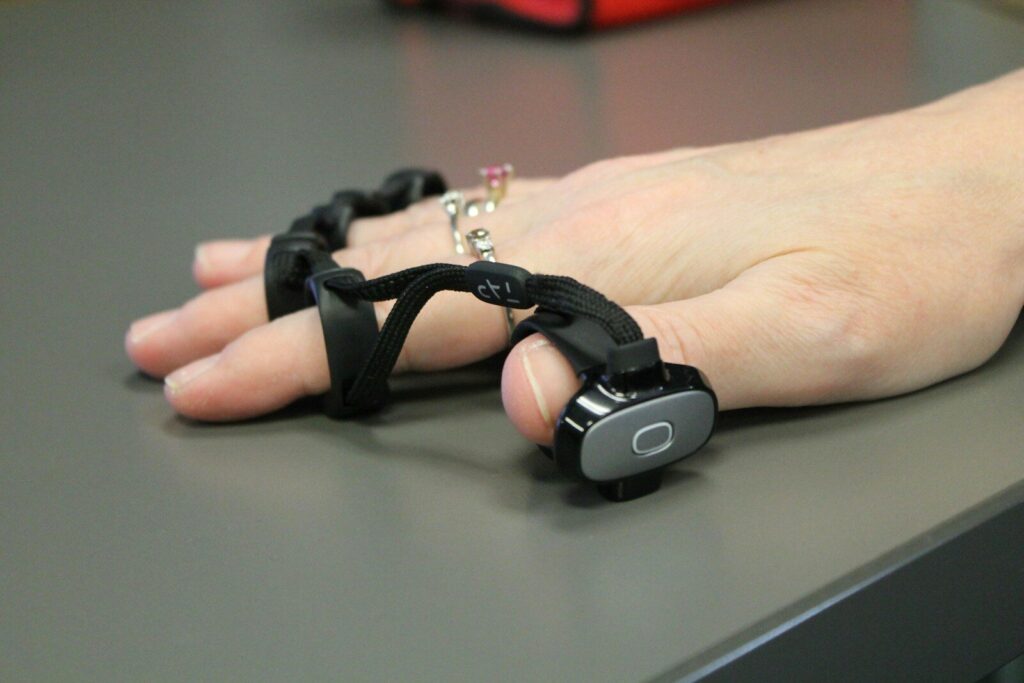
A personal emergency alarm is more than a device—it’s a way to help older adults stay independent while providing reassurance to the people who care about them.
Many older adults want to continue living in their own homes, but concerns about falls, medical emergencies, or living alone can make both seniors and their families anxious.
Personal emergency alarms are designed to bridge that gap by making it easier to call for help when it’s needed most.
In this guide, we’ll explain what personal emergency alarms are, how they work, who they’re designed for, and the features to consider when choosing one.
What Is a Personal Emergency Alarm?
A personal emergency alarm is a wearable device that allows a person to quickly request assistance during an emergency.
Depending on the system, pressing the emergency button may:
- Contact a 24/7 monitoring centre
- Call a family member or caregiver
- Notify emergency contacts
- Connect directly to emergency services (where supported)
- Share the user’s location if GPS is available
Most devices are designed to be simple to use, even during stressful situations.
Why Are Personal Emergency Alarms Important?
Emergencies can happen unexpectedly.
A fall, sudden illness, dizziness, chest pain, or another medical event may leave someone unable to reach a phone.
A personal emergency alarm provides a fast and accessible way to call for assistance.
For many older adults, it also offers:
- Greater confidence at home
- Increased independence
- Peace of mind for family members
- Faster access to help
- Reduced anxiety about living alone
The goal isn’t to encourage dependence—it’s to support independent living.
Who Can Benefit from a Personal Emergency Alarm?
While often associated with older adults, personal emergency alarms can benefit many people, including those who:
- Live alone
- Have experienced previous falls
- Have reduced mobility
- Are recovering from surgery
- Have chronic health conditions
- Have balance problems
- Experience dizziness or fainting
- Live with conditions such as Parkinson’s disease or multiple sclerosis
- Want additional reassurance while remaining independent
Family caregivers may also feel more confident knowing their loved one can easily request assistance if needed.
How Do Personal Emergency Alarms Work?
Although features vary by manufacturer, most systems follow a similar process.
Step 1: The User Activates the Alarm
The wearer presses the emergency button on a pendant, wristband, smartwatch, or other wearable device.
Some advanced systems can also detect certain falls automatically and trigger an alert without requiring the user to press the button.
Step 2: The Alert Is Sent
The alarm communicates through a home base unit, a mobile network, Wi-Fi, or another communication method.
Depending on the system, it may notify:
- A monitoring centre
- Family members
- Friends
- Caregivers
- Emergency services
Step 3: Help Is Arranged
The responder assesses the situation and determines the most appropriate assistance.
This may include:
- Contacting a family member
- Sending a caregiver
- Dispatching emergency services
- Providing reassurance if immediate medical attention isn’t required
Types of Personal Emergency Alarms
Not all emergency alarms are the same.
The most common types include:
Home-Based Systems
These systems are designed primarily for use inside the home.
They usually include:
- A wearable emergency button
- A base unit connected to a phone line, mobile network, or internet connection
Home-based systems are well suited to people who spend most of their time at home.
Mobile GPS Alarms
Mobile alarms allow users to request help both at home and while away.
These devices often include:
- GPS location tracking
- Mobile network connectivity
- Two-way voice communication
- Rechargeable batteries
They are particularly useful for active older adults who enjoy walking, shopping, or travelling independently.
Smart Watches
Some wearable smart devices combine emergency assistance with additional features such as:
- Heart rate monitoring
- Step counting
- GPS tracking
- Medication reminders
- Fall detection
- Health monitoring
These devices may appeal to users looking for multiple functions in a single wearable.
Key Features to Consider
Not every person requires the same features.
When comparing systems, consider whether the device offers:
- Easy-to-press emergency button
- Comfortable wearable design
- Waterproof construction
- Two-way voice communication
- GPS location services
- Automatic fall detection
- Long battery life
- Battery alerts
- 24/7 monitoring options
- Multiple emergency contacts
- Mobile app for family members
Choosing features based on individual needs is often more important than simply selecting the most advanced device.
Are Personal Emergency Alarms Only for Falls?
No.
Although falls are a common reason people use emergency alarms, they can also be valuable during situations such as:
- Sudden illness
- Difficulty breathing
- Chest pain
- Stroke symptoms
- Severe dizziness
- Medication reactions
- Feeling unsafe
- Becoming disoriented outdoors
They are designed to provide quick access to assistance whenever an emergency occurs.
Can a Personal Emergency Alarm Replace a Caregiver?
No.
A personal emergency alarm is a support tool—not a replacement for family, caregivers, or healthcare professionals.
It works best as part of a broader care plan that may include:
- Family support
- Home care services
- Regular medical care
- Home safety modifications
- Healthy lifestyle habits
Technology should complement human care, not replace it.
Questions to Ask Before Choosing a Personal Emergency Alarm
Before selecting a system, consider asking:
- Is it designed for home use, outdoor use, or both?
- Does it require a monthly subscription?
- How long does the battery last?
- Is it waterproof?
- Does it include GPS?
- Is fall detection available?
- Who responds when the alarm is activated?
- Can family members receive alerts?
- Is the device comfortable enough to wear every day?
The best emergency alarm is often the one the person feels comfortable wearing consistently.
Frequently Asked Questions
Do I need a personal emergency alarm if I have a mobile phone?
A mobile phone can be helpful, but it isn’t always within reach during an emergency. Personal emergency alarms are designed to be worn, making them easier to access if a fall or sudden illness occurs.
Can emergency alarms be worn in the shower?
Many wearable emergency alarms are water-resistant or waterproof because bathrooms are common locations for falls. Always check the manufacturer’s specifications before using a device in wet environments.
Are personal emergency alarms difficult to use?
Most devices are designed with simplicity in mind, often featuring a single, easy-to-press emergency button and clear instructions.
Will wearing an emergency alarm make someone less independent?
Many users report the opposite. Knowing that help is easily accessible often gives people greater confidence to continue living independently and participating in everyday activities.
Key Takeaways
Personal emergency alarms are designed to provide quick access to help during an emergency, offering reassurance for both older adults and the people who care about them.
Whether used at home or while out in the community, these devices can support independence, improve confidence, and help people continue living life on their own terms.
When choosing an alarm, focus on individual needs, ease of use, comfort, and reliability. The right device isn’t necessarily the one with the most features—it’s the one that fits the person’s lifestyle and is worn consistently when it matters most.