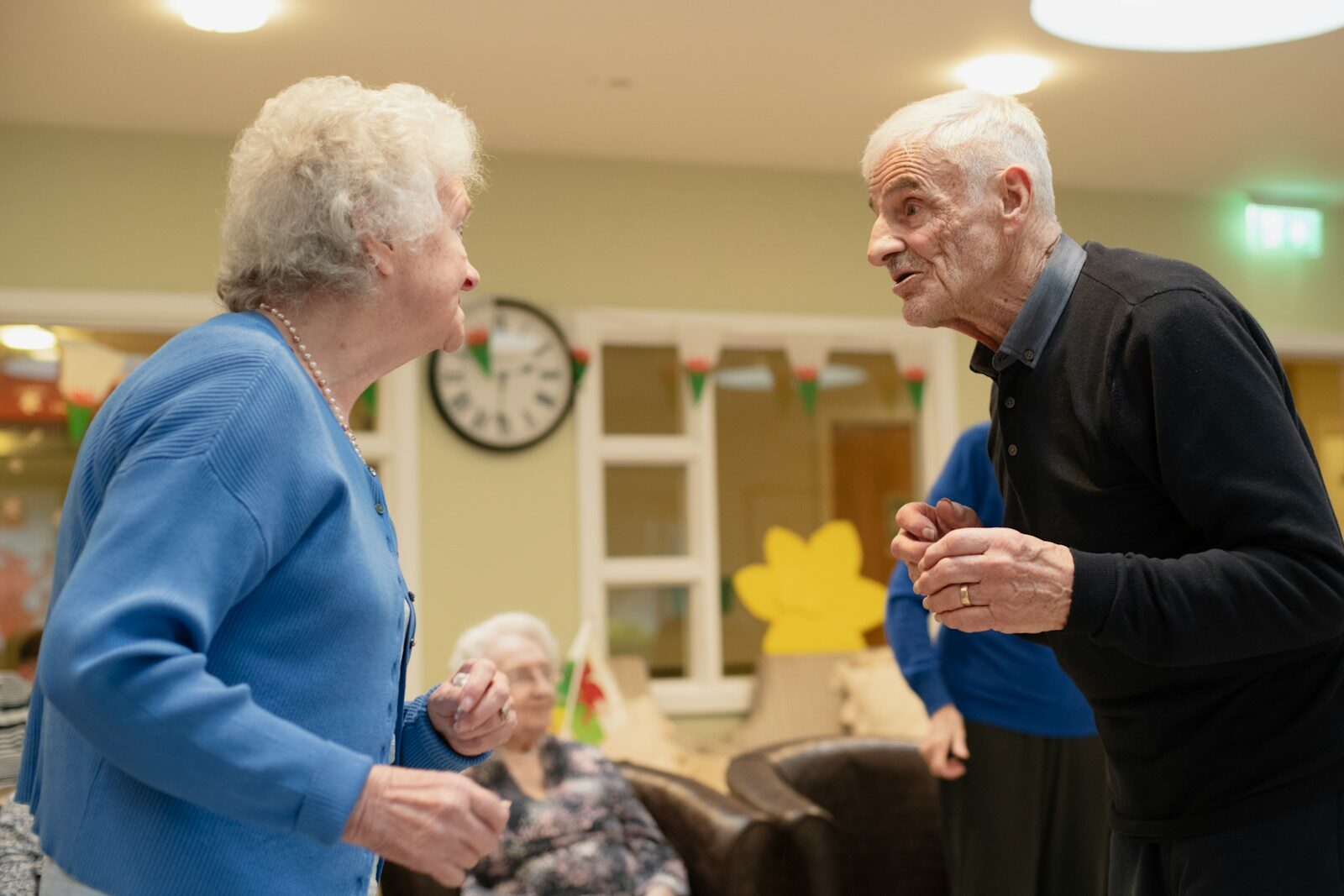
For many older adults, home is much more than a place to live.
It’s where memories have been made, routines have been established, neighbours have become friends, and a sense of independence has been built over decades. It’s no surprise that most older Australians want to remain in their own homes for as long as possible.
While ageing in place often focuses on physical health, home modifications, and support services, there’s another factor that can have just as much influence on whether someone continues living independently:
Confidence.
Occupational Therapists understand that confidence is more than a feeling. It influences how people move through their homes, engage with their communities, and approach everyday activities. Without confidence, even individuals with good physical abilities may begin limiting their own independence.
What Does Ageing in Place Really Mean?
Ageing in place is the ability to continue living safely, comfortably, and independently in one’s own home and community as needs change over time.
Achieving this requires more than a suitable home environment.
It often depends on a combination of:
- Physical ability.
- Cognitive function.
- Social connections.
- Access to appropriate support.
- Safe home environments.
- Confidence to continue participating in everyday life.
Each of these factors plays an important role, but confidence often influences how effectively the others are used.
Confidence Shapes Everyday Decisions
Every day, older adults make countless decisions that influence their independence.
Should I walk to the local shops?
Can I manage the stairs today?
Should I attend my exercise class?
Is it safe for me to work in the garden?
When confidence is high, people are more likely to remain active and engaged.
When confidence begins to decline, these same activities may gradually be avoided—not necessarily because they are impossible, but because they feel risky.
Over time, these small decisions can significantly affect health, wellbeing, and quality of life.
When Confidence Declines Before Physical Ability
One of the challenges Occupational Therapists frequently observe is that confidence often decreases before physical function does.
A person may still have the strength and mobility to complete everyday tasks, yet they begin avoiding them because they worry about falling or becoming injured.
Examples might include:
- Walking shorter distances.
- Avoiding unfamiliar environments.
- Staying indoors more often.
- Relying on family members for simple tasks.
- Giving up hobbies they once enjoyed.
These changes may appear minor at first, but they can gradually reduce physical activity, social engagement, and independence.
The Importance of Maintaining Everyday Participation
Remaining active isn’t simply about exercise.
It’s about continuing to participate in meaningful occupations that give structure and purpose to daily life.
Occupational Therapists often encourage clients to continue activities such as:
- Shopping independently.
- Gardening.
- Meeting friends.
- Walking in the neighbourhood.
- Preparing meals.
- Participating in community groups.
These activities support physical health while also maintaining confidence, routine, and emotional wellbeing.
The more people continue doing the things that matter to them, the more likely they are to remain independent.
How Occupational Therapists Support Ageing in Place
Occupational Therapists take a holistic approach to helping clients remain safely at home.
Rather than focusing only on physical limitations, they consider how the person’s environment, routines, goals, and confidence interact.
Support may include:
- Assessing everyday activities.
- Identifying environmental risks.
- Recommending home modifications.
- Suggesting appropriate assistive technology.
- Developing strategies to improve confidence.
- Encouraging gradual return to meaningful activities.
This person-centred approach recognises that independence looks different for everyone.
The Role of Assistive Technology
For some clients, appropriate assistive technology can provide reassurance that helps maintain confidence.
Personal alarms, emergency response devices, mobility aids, and other supportive technologies may reduce anxiety about managing alone, allowing people to continue participating in everyday activities with greater peace of mind.
The most successful recommendations are those that fit naturally into a person’s lifestyle and are simple enough to become part of their daily routine.
Technology works best when it supports confidence rather than replacing independence.
Working with Families
Families play an important role in supporting ageing in place.
After noticing changes in confidence, loved ones may instinctively step in to help with everyday tasks.
While well intentioned, doing too much for an older adult can sometimes reduce opportunities to maintain independence.
Occupational Therapists often work collaboratively with families to identify ways of providing support while still encouraging safe participation in daily activities.
The goal is not to remove independence but to strengthen it.
Confidence Supports Better Long-Term Outcomes
Confidence affects more than how people feel.
It influences:
- Physical activity.
- Social participation.
- Decision-making.
- Willingness to try new strategies.
- Acceptance of assistive technology.
- Overall quality of life.
When confidence is supported, older adults are more likely to remain active, connected, and engaged with their communities.
These are all essential ingredients for successful ageing in place.
Practical Resources for Occupational Therapists
Supporting older adults to age in place requires a combination of clinical knowledge, practical strategies, and access to reliable information. Resources that explore falls prevention, assistive technology, home safety, and independent living can help Occupational Therapists make informed recommendations tailored to each person’s goals.
The CareAlert Health Care Hub provides educational articles and practical guidance for Occupational Therapists, aged care providers, support coordinators, and family caregivers who are helping older Australians live safely and independently at home.
Learn more at the CareAlert Health Care Hub:
https://carealert.com.au/pages/carealert-health-care-hub
Final Thoughts
Ageing in place isn’t simply about remaining in the same home.
It’s about continuing to live with purpose, confidence, and independence.
Occupational Therapists understand that confidence influences every aspect of daily life—from deciding to leave the house to continuing meaningful activities that support health and wellbeing.
By recognising changes in confidence early and implementing person-centred strategies that address both physical and emotional needs, Occupational Therapists can help older adults continue living safely in the place they know and love.
Because successful ageing in place isn’t defined only by where someone lives.
It’s defined by how confidently they’re able to live there.