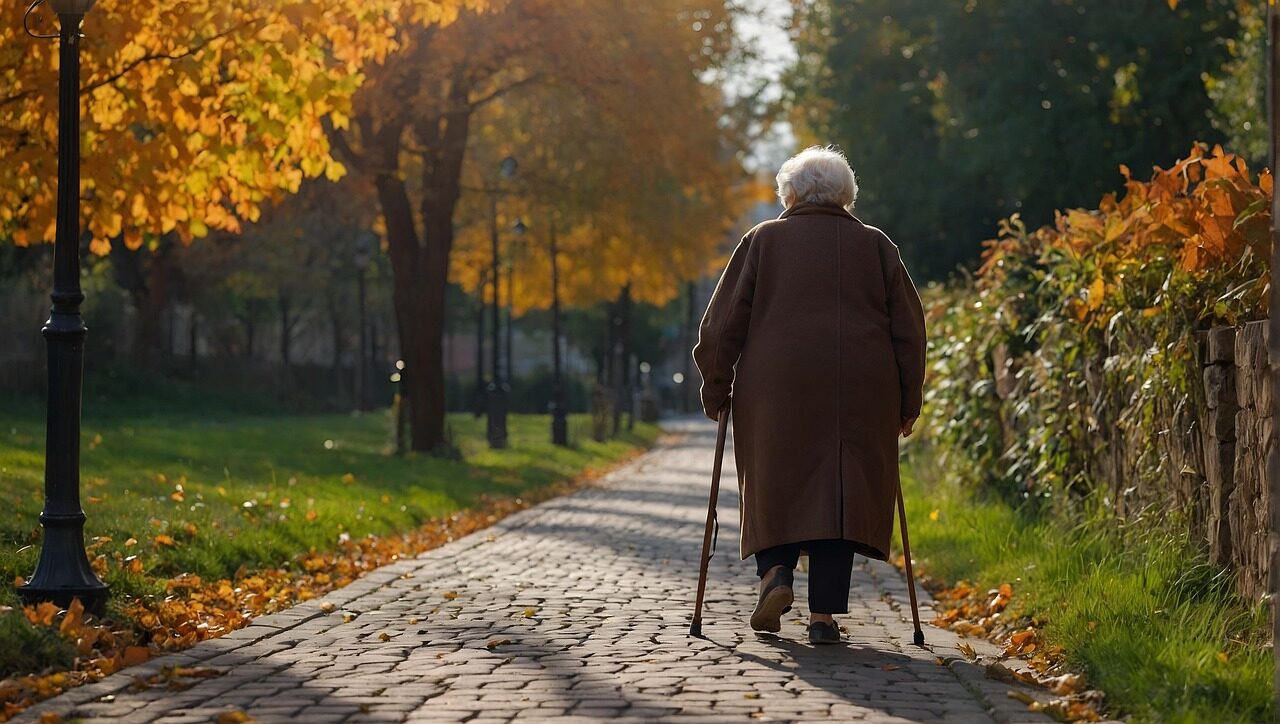
Most falls don’t happen because people are careless—they happen because small risks go unnoticed.
A loose rug, poor lighting, an uneven step, or even the wrong pair of shoes can turn an ordinary day into a medical emergency.
Falls are one of the leading causes of injury among older adults worldwide. While not every fall can be prevented, many can be avoided by making simple changes around the home and adopting healthy daily habits.
Whether you’re an older adult, a family caregiver, or supporting a loved one, these practical strategies can help create a safer living environment and reduce the risk of falls.
Why Falls Matter
A fall can affect much more than physical health.
It may lead to:
- Broken bones or fractures
- Head injuries
- Reduced confidence
- Loss of independence
- Longer recovery times
- Hospital admissions
- Fear of falling again
Preventing falls isn’t just about avoiding injuries—it’s about maintaining confidence, mobility, and independence.
1. Improve Lighting Throughout the Home
Poor lighting makes it difficult to see hazards.
Walk through your home and make sure that:
- Hallways are well lit.
- Staircases have adequate lighting.
- Entryways are bright.
- Bedrooms have bedside lamps.
- Bathrooms are easy to navigate at night.
Night lights can be especially helpful for trips to the bathroom after dark.
2. Remove Common Trip Hazards
Take a fresh look around your home.
Common hazards include:
- Loose rugs
- Electrical cords across walkways
- Clutter on the floor
- Shoes left near doorways
- Children’s toys
- Uneven flooring
Keeping walking paths clear is one of the easiest ways to improve safety.
3. Install Grab Bars and Handrails
Bathrooms and stairs are common places where falls occur.
Consider installing:
- Grab bars beside toilets
- Grab bars inside showers
- Handrails on both sides of staircases
- Support rails near steps
These provide additional stability during everyday activities.
4. Wear Supportive Footwear
Slippers without grip or worn-out shoes can increase the risk of slipping.
Choose footwear that:
- Fits properly
- Has non-slip soles
- Provides good support
- Has a low heel
- Is comfortable for walking indoors and outdoors
Walking in socks on smooth floors should be avoided whenever possible.
5. Stay Physically Active
Strong muscles and good balance are your best defence against falls.
Activities such as:
- Walking
- Strength training
- Tai Chi
- Yoga
- Balance exercises
- Swimming
can improve stability and coordination.
Always choose activities that match your fitness level and consult a healthcare professional if you’re starting a new exercise program.
6. Review Your Medications
Some medications—or combinations of medications—may cause:
- Dizziness
- Drowsiness
- Blurred vision
- Low blood pressure
- Balance problems
Regular medication reviews with your doctor or pharmacist can help identify medicines that may increase fall risk.
Never stop taking prescribed medication without professional advice.
7. Keep Frequently Used Items Within Easy Reach
Stretching or climbing unnecessarily can lead to falls.
Arrange everyday items such as:
- Glasses
- Medications
- Kitchen supplies
- Clothing
- Mobile phones
so they’re easy to access without using stools or ladders.
8. Have Your Vision and Hearing Checked
Good vision and hearing help you detect hazards and maintain balance.
Regular eye and hearing examinations can identify problems before they increase your risk of falling.
Update prescription glasses when needed and wear hearing aids as recommended.
9. Make Bathrooms Safer
Bathrooms contain slippery surfaces and limited support.
Simple improvements include:
- Non-slip bath mats
- Walk-in showers where possible
- Shower chairs
- Handheld shower heads
- Raised toilet seats if needed
- Grab bars
Small changes can make bathing much safer and more comfortable.
10. Consider Technology That Enhances Safety
Technology can’t prevent every fall, but it can provide reassurance and faster access to help if one occurs.
Examples include:
- Personal emergency response systems
- Fall detection devices
- Smart home lighting
- Motion sensors
- Voice-controlled assistants
- Medication reminder systems
For many older adults living independently, these tools offer added confidence and peace of mind.
11. Schedule a Home Safety Assessment
Sometimes it’s difficult to recognise risks in your own home because you’ve become accustomed to them.
A home safety assessment by a qualified healthcare professional—such as an occupational therapist—can identify hazards and recommend practical modifications tailored to your needs.
Recommendations may include:
- Rearranging furniture
- Installing assistive devices
- Improving accessibility
- Reducing clutter
- Making bathroom and kitchen modifications
These changes can significantly improve both safety and independence.
Warning Signs That Fall Risk May Be Increasing
It’s important to recognise changes early.
Speak with a healthcare professional if you notice:
- Frequent stumbling
- Difficulty getting up from a chair
- Slower walking speed
- Balance problems
- Fear of walking
- Multiple near-falls
- Dizziness
- Increasing weakness
Addressing these issues early can help prevent more serious injuries.
Frequently Asked Questions
What causes most falls at home?
Falls often result from a combination of factors, including poor lighting, slippery floors, loose rugs, muscle weakness, medication side effects, vision problems, and balance issues.
Can falls really be prevented?
While it’s impossible to prevent every fall, many falls can be avoided through regular exercise, home safety improvements, medication reviews, and routine health check-ups.
Should I remove all rugs?
Not necessarily. If rugs are kept, they should be securely fastened with non-slip backing and placed where they won’t create a tripping hazard. Loose or curled rugs should be removed.
Who can assess my home for fall risks?
Depending on your location, healthcare professionals such as occupational therapists, physiotherapists, or community home safety services may be able to assess your home and recommend modifications.
Key Takeaways
Reducing the risk of falls doesn’t require major renovations or expensive equipment.
Often, it’s the small, consistent changes—improving lighting, staying active, reviewing medications, wearing supportive footwear, and removing everyday hazards—that make the biggest difference.
By taking a proactive approach today, you can help protect your health, maintain your independence, and continue living confidently in your own home.
Fall prevention isn’t just about avoiding accidents—it’s about creating an environment where you can move safely, stay active, and enjoy life with greater peace of mind.