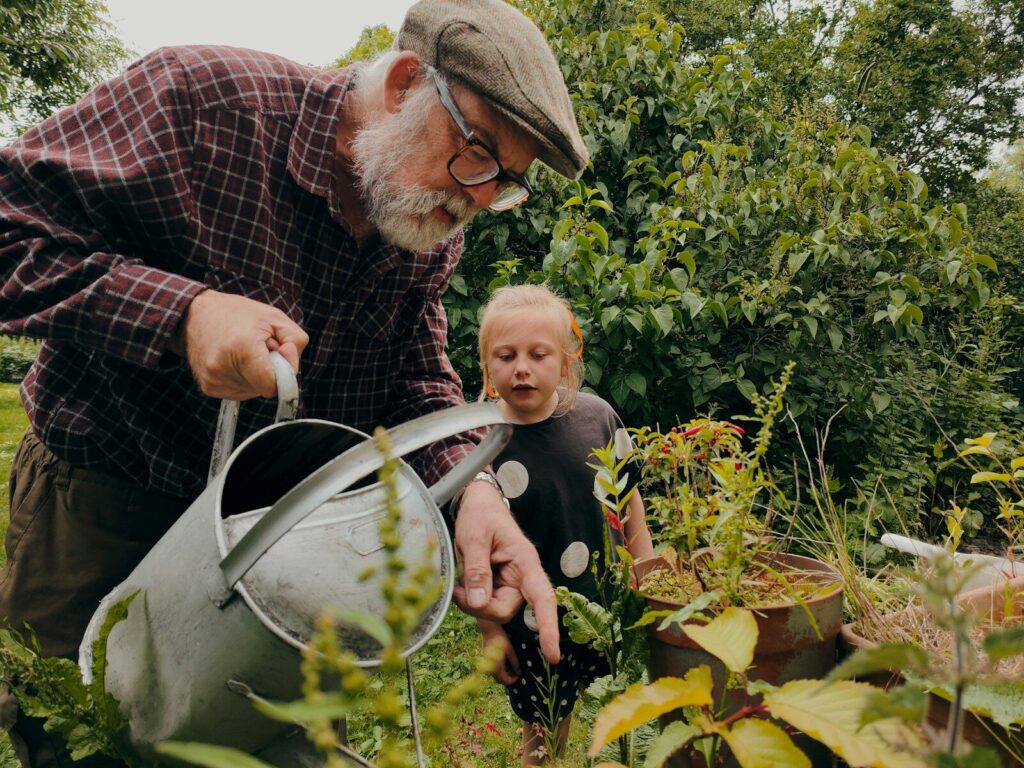
For many older adults, there’s no place like home.
Home is where memories are made, routines are familiar, and independence feels natural. It’s no surprise that many people hope to remain in their own homes as they grow older—a concept known as ageing in place.
With thoughtful planning, the right support, and a safe environment, ageing in place can help older adults maintain their independence, confidence, and quality of life for many years.
In this guide, we’ll explore what ageing in place means, its benefits, potential challenges, and practical steps you can take to age safely and confidently at home.
What Does “Ageing in Place” Mean?
Ageing in place means continuing to live in your own home or community safely, independently, and comfortably as you get older, rather than moving to a residential care facility.
For some people, this means living completely independently. For others, it may involve support from family members, friends, community services, or healthcare professionals.
The goal isn’t simply staying at home—it’s staying safe, healthy, connected, and able to enjoy daily life.
Why Do So Many Older Adults Choose to Age in Place?
Remaining at home offers many advantages, including:
Familiar surroundings
Living in a familiar environment provides comfort, routine, and a strong sense of belonging.
Greater independence
Older adults can maintain control over their daily schedule, lifestyle, and personal choices.
Staying connected to the community
Remaining close to neighbours, friends, local shops, healthcare providers, and community activities can support emotional wellbeing.
Potential cost savings
Depending on an individual’s circumstances and local support options, ageing in place may be more affordable than residential care.
Improved quality of life
Many people simply feel happier and more confident living in a place they know and love.
Is Ageing in Place Right for Everyone?
Ageing in place isn’t a one-size-fits-all solution.
It works best when a person’s health, mobility, cognitive abilities, home environment, and support network allow them to live safely.
It’s helpful to regularly ask questions such as:
- Can I move around my home safely?
- Can I manage daily activities independently?
- Is my home easy to navigate?
- Do I have family, friends, or services available if I need help?
- Would small changes make life easier?
The answers may change over time, and that’s perfectly normal.
1. Make Your Home Safer
Creating a safer home is one of the most important steps in ageing in place.
Simple improvements may include:
- Removing loose rugs
- Improving lighting throughout the home
- Installing grab rails in bathrooms
- Adding handrails to stairways
- Keeping pathways clear
- Securing electrical cords
- Using non-slip mats
- Ensuring smoke alarms are working
Small modifications can significantly reduce the risk of falls and injuries.
2. Stay Active Every Day
Regular physical activity helps maintain:
- Muscle strength
- Balance
- Flexibility
- Coordination
- Bone health
- Confidence
Activities such as walking, swimming, yoga, tai chi, gardening, or strength exercises can all contribute to staying independent for longer.
Even short periods of movement throughout the day are beneficial.
3. Look After Your Health
Preventive healthcare plays an important role in independent living.
Regular appointments may include:
- Medical check-ups
- Vision tests
- Hearing assessments
- Dental care
- Medication reviews
- Recommended vaccinations
Managing health conditions early can help prevent complications that affect independence.
4. Build a Support Network
Independence doesn’t mean doing everything alone.
Having a reliable support network provides reassurance for both older adults and their families.
Support may come from:
- Family members
- Friends
- Neighbours
- Community organisations
- Home care providers
- Healthcare professionals
Knowing who to call when help is needed can make all the difference.
5. Embrace Helpful Technology
Technology can make everyday living easier and safer.
Depending on individual needs, useful tools may include:
- Personal emergency response systems
- Medication reminder apps
- Smart speakers
- Video doorbells
- Smart lighting
- Fall detection devices
- Video calling platforms
- Telehealth services
The right technology can provide added confidence without replacing personal support.
6. Eat Well and Stay Hydrated
Good nutrition supports:
- Energy levels
- Immune function
- Muscle strength
- Bone health
- Brain health
Keeping healthy foods readily available and drinking enough fluids each day can help maintain overall wellbeing.
Meal delivery services or community meal programs may also be helpful for some older adults.
7. Keep Your Mind Active
Mental stimulation supports cognitive health and overall wellbeing.
Ideas include:
- Reading
- Crossword puzzles
- Learning new skills
- Playing board games
- Taking online courses
- Joining hobby groups
Continuing to learn and explore new interests can make life more enjoyable while supporting brain health.
8. Stay Socially Connected
Social isolation can affect both physical and mental health.
Make time to:
- Visit family and friends
- Join local community groups
- Volunteer
- Attend social activities
- Participate in online communities
- Schedule regular phone or video calls
Strong social connections contribute to confidence, resilience, and happiness.
9. Plan for the Future
Planning ahead doesn’t mean expecting the worst—it means preparing for change.
Consider discussing:
- Emergency contacts
- Healthcare preferences
- Financial planning
- Home care options
- Transportation
- Legal documents
- Advance care planning
Having these conversations early can reduce stress later.
10. Know When to Ask for Help
One of the biggest misconceptions about independence is believing that asking for help means losing it.
In reality, accepting support often helps people remain independent for longer.
Support might include:
- Housekeeping assistance
- Grocery delivery
- Transportation services
- Home care visits
- Mobility equipment
- Home modifications
Seeking help early can prevent small challenges from becoming major problems.
Common Challenges When Ageing in Place
Although many older adults successfully remain at home, challenges may arise over time.
These can include:
- Reduced mobility
- Chronic health conditions
- Memory changes
- Social isolation
- Home maintenance
- Transportation difficulties
- Medication management
Recognising these challenges early allows families and healthcare professionals to work together on practical solutions.
Frequently Asked Questions
What is ageing in place?
Ageing in place means living safely and independently in your own home or community as you grow older, with the support and services you need.
Is ageing in place safe?
It can be, provided the home is safe, health needs are managed, and appropriate support is available. Regular home safety reviews and preventive healthcare can help reduce risks.
What home modifications help older adults?
Common improvements include grab rails, improved lighting, non-slip flooring, handrails, step-free access, wider doorways, and bathroom modifications. The most suitable changes depend on the individual’s needs.
Does ageing in place mean living alone?
No. Many people age in place while living with a spouse, partner, family member, or with regular support from caregivers and community services.
Key Takeaways
Ageing in place is about more than remaining in your home—it’s about maintaining your independence, safety, dignity, and quality of life.
By creating a safer living environment, staying active, looking after your health, embracing helpful technology, and building a strong support network, you can continue living confidently in the place that feels most like home.
Remember, successful ageing in place isn’t about doing everything on your own. It’s about making informed choices, planning ahead, and accepting the right support at the right time.