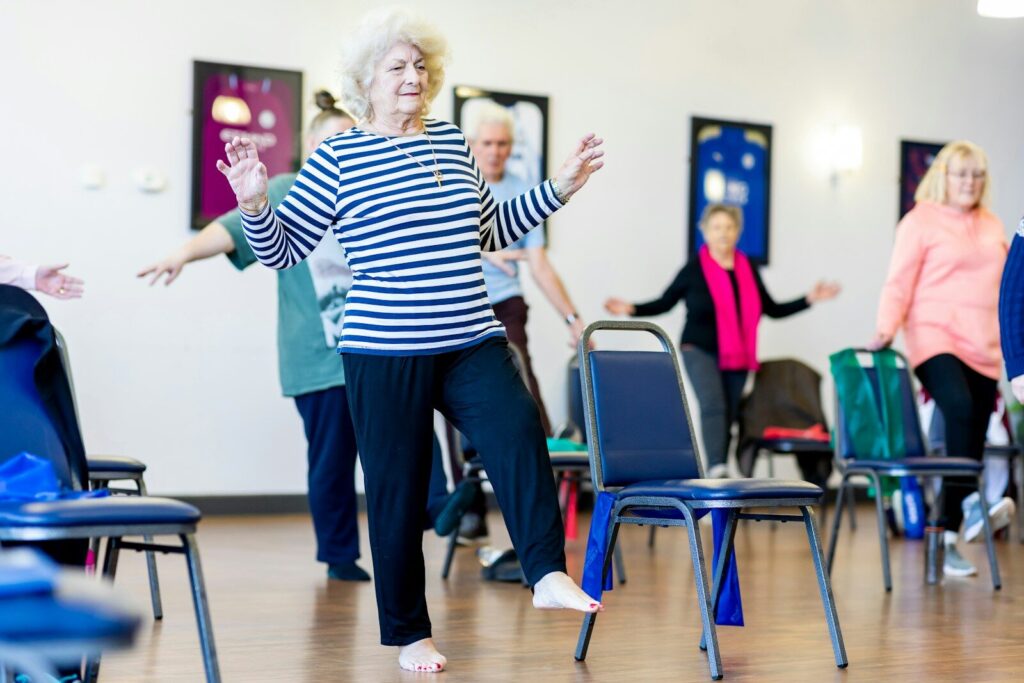
Healthy ageing isn’t about adding years to your life—it’s about adding life to your years.
Growing older is a natural part of life, but how we age is influenced by the choices we make every day. While we can’t control our genetics, we can adopt healthy habits that help us stay active, independent, and engaged well into later life.
The good news? Small, consistent actions often make the biggest difference.
Whether you’re looking after your own health or supporting an ageing loved one, these 10 daily habits can contribute to better physical health, mental wellbeing, and quality of life.
1. Stay Physically Active
Regular movement is one of the most effective ways to support healthy ageing.
Physical activity helps:
- Improve heart health
- Strengthen muscles and bones
- Maintain balance and coordination
- Reduce the risk of falls
- Support brain health
- Improve mood and sleep
You don’t have to spend hours at the gym. Activities such as walking, gardening, swimming, cycling, stretching, or gentle strength exercises can all contribute to better health.
Aim to include movement throughout the day, even if it’s just a short walk after meals or simple stretching while watching television.
2. Eat a Balanced, Nutritious Diet
Your body continues to need quality nutrition as you age.
A healthy eating pattern should include:
- Plenty of vegetables and fruit
- Whole grains
- Lean protein
- Healthy fats
- Dairy or calcium-rich alternatives
- Adequate fluids
Limiting highly processed foods, excess sugar, and excessive salt can help reduce the risk of chronic conditions such as heart disease, diabetes, and high blood pressure.
Healthy eating isn’t about perfection—it’s about making balanced choices most of the time.
3. Stay Hydrated
Many older adults don’t drink enough water, partly because the sensation of thirst can decrease with age.
Even mild dehydration may contribute to:
- Fatigue
- Headaches
- Confusion
- Dizziness
- Constipation
- Increased risk of falls
Keep water within easy reach and drink regularly throughout the day. Herbal teas, milk, soups, and water-rich fruits can also help maintain hydration.
4. Prioritise Quality Sleep
Sleep plays an important role in physical recovery, memory, immune function, and emotional wellbeing.
Adults generally benefit from around seven to nine hours of sleep each night, although individual needs vary.
Good sleep habits include:
- Maintaining a regular bedtime
- Limiting caffeine later in the day
- Reducing screen time before bed
- Creating a cool, quiet sleeping environment
If ongoing sleep problems are affecting your daily life, speak with a healthcare professional.
5. Keep Your Mind Active
Just like your muscles, your brain benefits from regular exercise.
Challenge your mind by:
- Reading books
- Doing crossword puzzles
- Learning a new skill
- Playing strategy games
- Taking online courses
- Practising a musical instrument
Lifelong learning supports cognitive health and can also boost confidence and enjoyment.
6. Stay Socially Connected
Strong social connections contribute to healthier ageing.
Regular interaction with friends, family, neighbours, or community groups can:
- Reduce feelings of loneliness
- Improve emotional wellbeing
- Support cognitive function
- Encourage physical activity
- Build resilience during challenging times
Even a phone call, video chat, or coffee with a friend can make a meaningful difference.
7. Look After Your Mental Wellbeing
Emotional health is just as important as physical health.
Simple daily practices may include:
- Spending time outdoors
- Practising gratitude
- Mindfulness or meditation
- Deep breathing exercises
- Enjoying hobbies
- Talking openly with trusted friends or family
If feelings of sadness, anxiety, or loneliness persist, don’t hesitate to seek support from a healthcare professional.
Looking after your mental wellbeing is a sign of strength, not weakness.
8. Reduce Your Risk of Falls
Falls are one of the leading causes of injury among older adults, but many falls can be prevented.
Simple daily habits include:
- Wearing supportive footwear
- Keeping walkways clear
- Using adequate lighting
- Staying physically active
- Having regular vision and hearing checks
- Using mobility aids correctly if needed
Making your home safer today may help you maintain independence tomorrow.
9. Stay Up to Date With Preventive Healthcare
Preventing illness is often easier than treating it.
Regular health check-ups can help identify concerns before they become more serious.
Talk to your healthcare provider about:
- Blood pressure checks
- Vision and hearing assessments
- Dental care
- Vaccinations
- Medication reviews
- Recommended health screenings
Taking an active role in your healthcare supports better long-term outcomes.
10. Embrace Technology That Supports Independence
Technology is making it easier than ever for older adults to live safely and confidently.
Depending on your needs, helpful technologies may include:
- Personal emergency alarms
- Medication reminder apps
- Smart home devices
- Video calling platforms
- Telehealth services
- Fitness and activity trackers
Technology should never replace human connection—but it can provide added confidence, convenience, and peace of mind.
Healthy Ageing Is Built One Day at a Time
Healthy ageing isn’t about making dramatic lifestyle changes overnight.
It’s about building small, sustainable habits that support your physical health, emotional wellbeing, and independence over time.
Even one positive change—such as walking a little more, drinking an extra glass of water, or reconnecting with an old friend—can have lasting benefits.
Remember, it’s never too early—or too late—to invest in your health.
Frequently Asked Questions
What is healthy ageing?
Healthy ageing is the process of developing and maintaining the physical, mental, and social wellbeing that enables people to live fulfilling and independent lives as they grow older.
Is it ever too late to start healthy habits?
No. Research suggests that adopting healthier habits at any age can improve wellbeing and reduce the risk of many chronic conditions. Even small changes can make a meaningful difference over time.
Which habit has the biggest impact?
There isn’t one single habit that guarantees healthy ageing. The greatest benefits come from combining regular physical activity, balanced nutrition, quality sleep, social connection, preventive healthcare, and a positive lifestyle over the long term.
How can family members support healthy ageing?
Families can encourage healthy habits by staying connected, supporting regular medical appointments, promoting physical activity, helping create a safer home environment, and encouraging independence wherever possible.
Key Takeaways
Healthy ageing isn’t defined by age—it’s shaped by the choices we make every day.
By staying active, eating well, sleeping enough, maintaining social connections, looking after your mental health, and embracing tools that support independence, you can build a healthier and more fulfilling future.
Every small step counts. Start with one habit today, and let it become part of a healthier tomorrow.